
Setup in CUBASE
In Cubase, all you need to do is load Melody Sauce 2 as a VST3 (or VST2) plugin onto its own MIDI track. Be sure to use the VST version, and not the AU/Audio Unit.
Add an Instrument Track.
Then load Melody Sauce 2 as a VST Instrument.
The authorisation window will appear. Enter your license/serial key to authorise Melody Sauce 2 (this requires an internet connection). See Authorisation Guide for more details.
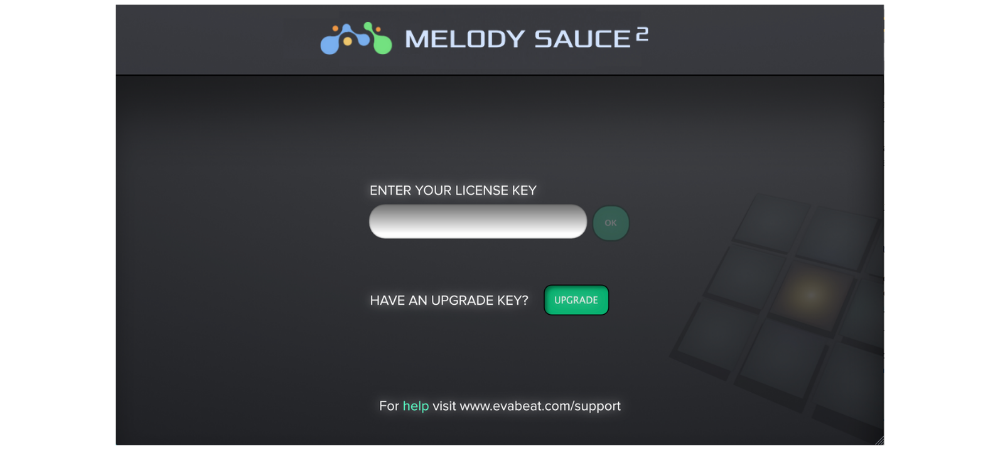
Once authorised, the Melody Sauce 2 interface should appear and the plugin is ready for use!
NB: MIDI ROUTING SETUP
If you don't want to use Melody Sauce's internal sounds you can send Melody Sauce's midi to another software instrument.
Firstly select "MIDI OUT" mode.
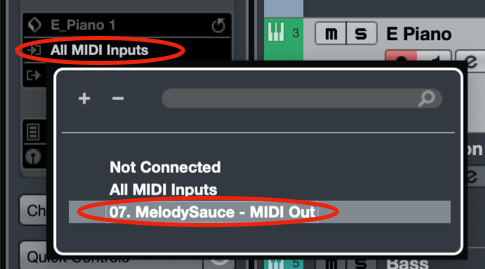
On a second Instrument Track loaded with one of your favourite software instruments, change the the MIDI input from All MIDI Inputs to Melody Sauce 2 - MIDI Out:
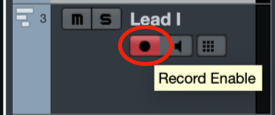
Finally click Record Enable to arm the receiving instrument track:
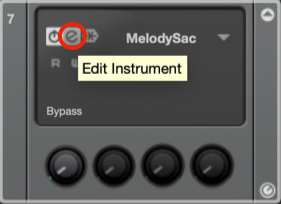
Whilst continuing to highlight this receiving instrument track, click on Melody Sauce 2’s Edit Instrument window to open the plugin’s interface panel. You need to have the receiving instrument track highlighted for the output to be activated:
Make sure your project is playing and we recommend looping playback for at least 8 bars so you can hear the whole melody. Note: A fast, long melody would be 8 bars long and a long, slow melody would be 16 bars long.
You are now ready to start generating melodies!
In Cubase it’s also helpful to set the transport bar to Return to Start Position on Stop so that you can set playback and Melody Sauce 2 to begin on the first beat of a bar.
Comments
0 comments
Please sign in to leave a comment.